Media Kit
Updated July 2026
A media kit is a creator's promotional summary — audience size, demographics, engagement rate, past brand work, and rates — shared with brands to win partnerships, functioning like a portfolio and pitch in one document.
A strong media kit gives a brand everything it needs to evaluate a partnership at a glance: who the audience is, how engaged they are, examples of previous collaborations and their results, and the creator's pricing.
Media kits are central to landing brand deals because they let creators present their value professionally and back it with data. Many creator tools auto-generate media kits by pulling live audience and engagement metrics.
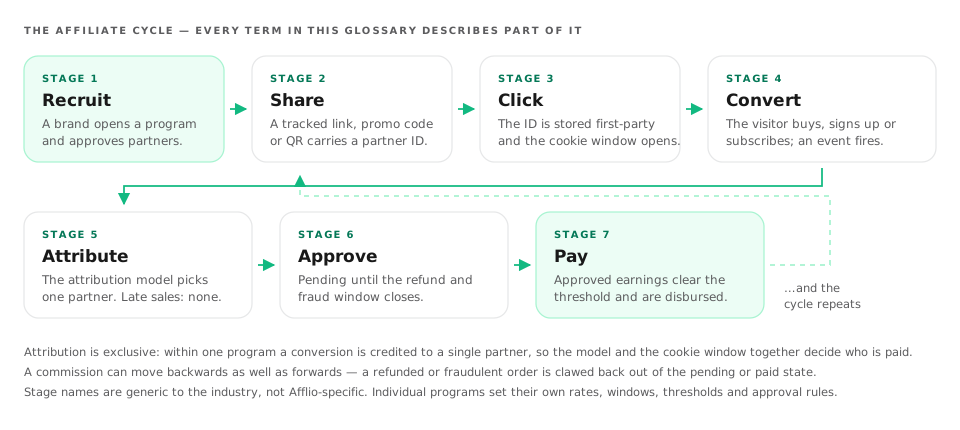
Where Media Kit sits in the affiliate cycle
A media kit is a recruit-stage document: what a creator sends a brand to be considered for a partnership at all.
How Media Kit actually works
A media kit is a short, current summary of who the audience is and what the creator can produce. The substance is audience composition, honest performance figures with their denominators stated, examples of past work, the formats offered, and how to get in touch. Length is not a virtue — brands skim it.
What separates a kit that wins work from one that does not is usually specificity. Audience demographics and a follower count describe every creator in the category; measured conversion performance on a comparable product describes only you, and it is the figure a brand with a commercial goal is actually looking for.
What Media Kit means for a creator
For affiliate and hybrid work the strongest thing a kit can carry is earnings per click or a measured conversion rate from a past campaign, with the scope stated. It converts the conversation from reach to revenue, which is the conversation where a smaller audience can win.
Keep it current and keep it honest. Screenshots of platform analytics are more persuasive than typed figures, and an inflated number that a brand later measures is the end of the relationship rather than the start of one.
What Media Kit means for a brand
Read a media kit for audience fit first and reach second. A creator whose audience matches the buyer persona at a tenth of the scale is usually the better commercial bet, and reach is the easiest number to inflate.
The question worth asking that most kits do not answer is what the creator's past affiliate performance looked like on a comparable product. It is the only figure that predicts what your program will actually get.
Common mistakes with Media Kit
Leading with follower count
It is the least predictive number in the document and the one every competing kit also has. Audience fit and measured conversion performance differentiate; reach does not.
Quoting rates without denominators
An engagement rate with no stated basis is not a number a brand can act on, and it invites the assumption that the flattering basis was chosen.
Letting it go stale
A kit with figures from a year ago describes a channel that may no longer exist. Refresh the numbers before every outreach round.
Media Kit: common questions
What should a creator media kit include?
Audience composition, honest performance figures with their denominators stated, examples of relevant past work, the formats and deliverables you offer, and contact details. Brevity helps — most are skimmed.
Should I put my rates in the media kit?
It is a trade. Published rates filter out mismatched enquiries and save time; leaving them out preserves room to price by scope. Many creators publish a starting-from figure as a compromise.
What matters most to a brand reading it?
Whether your audience is their buyer. Fit beats scale for commercial work, and measured conversion performance on a comparable product is the most persuasive thing a kit can carry.
See also
- Rate Card
A rate card is a creator's published pricing sheet listing what they charge for each type of deliverable — an Instagram Reel, a YouTube integration, a story, or a bundle — used as a starting point for brand-deal negotiations.
- Engagement Rate
Engagement rate is the percentage of a creator's audience that interacts with their content — likes, comments, shares, saves — relative to followers or reach, used as a key measure of audience quality and influence.
- Brand Deal
A brand deal is a paid agreement between a brand and a creator to promote the brand's product, defined by deliverables, usage rights, exclusivity, timing, and a fee or commission.
- Influencer Marketing
Influencer marketing is a strategy in which brands partner with creators who have engaged social audiences to promote products, paying through flat fees, free product, affiliate commissions, or a combination.
- Creator Economy
The creator economy is the ecosystem of independent creators — writers, video makers, streamers, and educators — who earn a living directly from their audiences and brand partnerships, supported by platforms and tools for content, monetization, and payments.
Turn the theory into a live program
Afflio handles tracking, commissions, and payouts so you can run the program these terms describe — start free in an afternoon.